
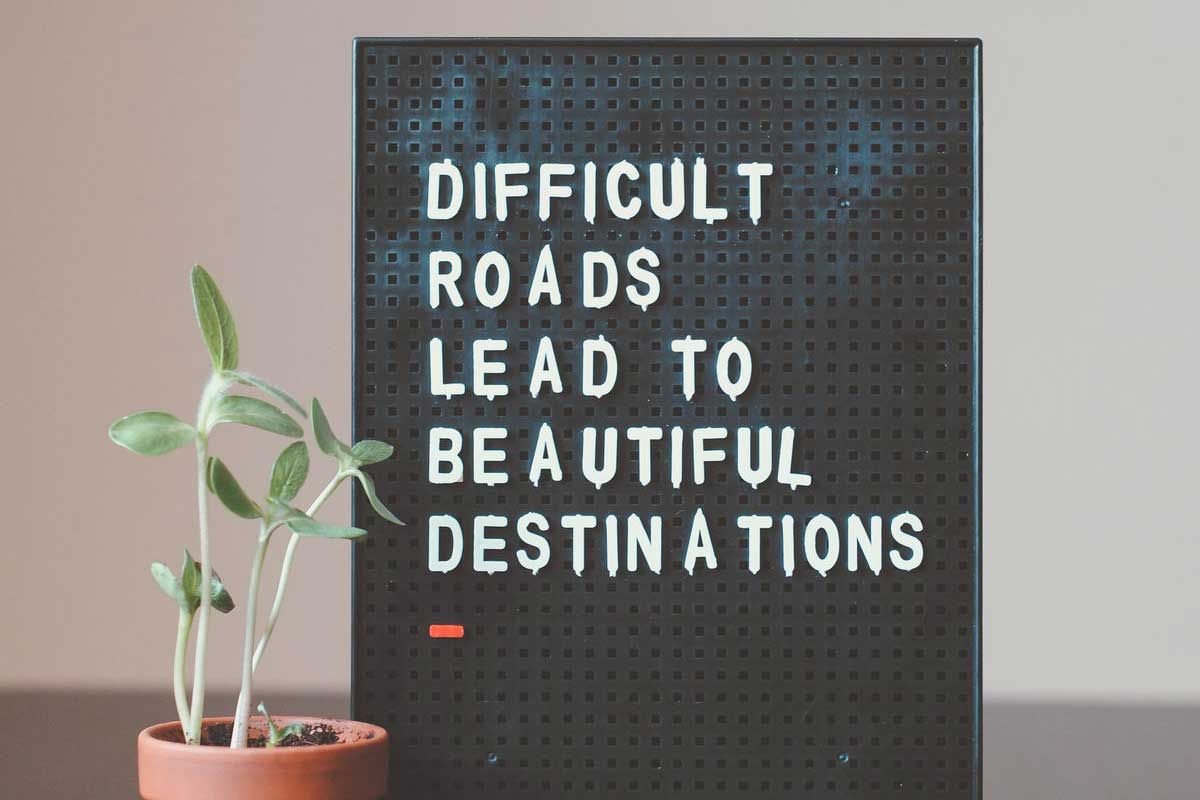
A new place can make your familiar habits easier to notice. You may realise how much quiet you need to work, how you react when plans change or how often you rely on other people to organise your day. These observations can be valuable even when a trip is ordinary rather than life-changing.
You do not have to grow as a person to justify travelling. Personal growth is something you can make room for with small choices: asking a better question, trying a new skill or changing a routine that no longer works for you.
Learn to adapt without making things harder than necessary
Working somewhere unfamiliar brings decisions you might not face at home. The connection drops before a meeting, a booking is cancelled or a journey takes longer than planned. The valuable skill is dealing with the problem in front of you, instead of seeing every disruption as proof that you are failing.
Distinguish between what you can change and what you cannot. If your accommodation is noisy, you could move a task that needs concentration to a quieter place, agree on different hours or choose somewhere else next time. Write down what solved the problem, so you do not have to work out the same solution again.
You do not have to make your life uncomfortable on purpose to become more adaptable. A tested backup connection, work equipment you know well and some flexibility in your schedule leave you better able to handle real surprises. Our digital nomad guide explains these basics.
Get to know a place through everyday contact
Local life continues around you, regardless of your travel plans. Listen to how residents talk about their neighbourhood, ask before you take photos of people and learn a few phrases you can use in shops or shared spaces. Be prepared to make mistakes, apologise briefly and adjust.
Do not treat a single conversation as an explanation of a whole culture. People living in the same place can have very different experiences and priorities. Compare your expectations with what you actually observe, and accept that some things will remain uncertain.
Everyday activities can be valuable here: going back to the same class, shopping at the same market or joining a group with a shared interest. Regular contact gives you more context than trying to fit a large number of attractions into a short stay.
Make reflection a small, regular habit
There is no need to record every day. At the end of each week, try writing a short note based on three questions: What gave me energy? What made the week more difficult? What would I like to do differently next week?
Make your answers specific. “I need more balance” is hard to act on. “I agreed to late calls on four evenings and missed time with friends” points to something you can discuss or change. Reflection becomes useful when it leads to a manageable experiment.
A quiet walk, a meal without screens or some time with a notebook can give you space to notice how you are doing. Choose something you enjoy instead of adding another obligation to a schedule that is already full.

Keep your relationships as you move from place to place
Making new friends quickly can be exciting, but keeping a friendship going usually takes conscious effort. Before you leave, agree on a realistic way to stay in touch. A short regular call or an occasional personal message can be easier to keep up than a promise to talk all the time.
Stay close to the people who knew you before the trip, too. They may notice changes in you that you overlook, and they give you continuity while your surroundings keep changing. Share everyday experiences and listen to what is happening in their lives, instead of only sending them your travel highlights.
Professional relationships can help you learn as well. Ask someone how they approach a task you find difficult, or suggest giving each other feedback on a small piece of work. Our networking article explains how to make these requests in a clear and respectful way.
Build one skill you can put to use
A new environment can awaken an interest in languages, writing, digital tools or running a business. Pick one area that matters to you right now and set yourself a small goal. That could mean holding a short conversation in the local language, creating a stronger work sample or describing your service more clearly.
Plan time to practise, ask for feedback and use what you learn in a real situation. Collecting one course after another is not the same as developing a skill. A small project finished with care tells you more about your progress than a long list of subjects you might study one day.
If you work independently, think about the business side too: which commitments you handle well, where you need support and which kinds of collaboration you would like to repeat. Our comparison of working arrangements can help you apply these observations to your next professional decision.

Let your plans change
You might find that you prefer longer stays, need more company or would like a permanent base. Going home can be a well-considered choice, just like extending a stay. Neither decision takes away what you have learned.
Think about what you want to keep from this time: a working habit, a friendship, a clearer boundary or a new interest. The value of the experience can lie in these specific changes. You do not need a dramatic story about who you have become.